
Buyer's guide · Honest downsides
The Real Disadvantages of Mini Split Systems
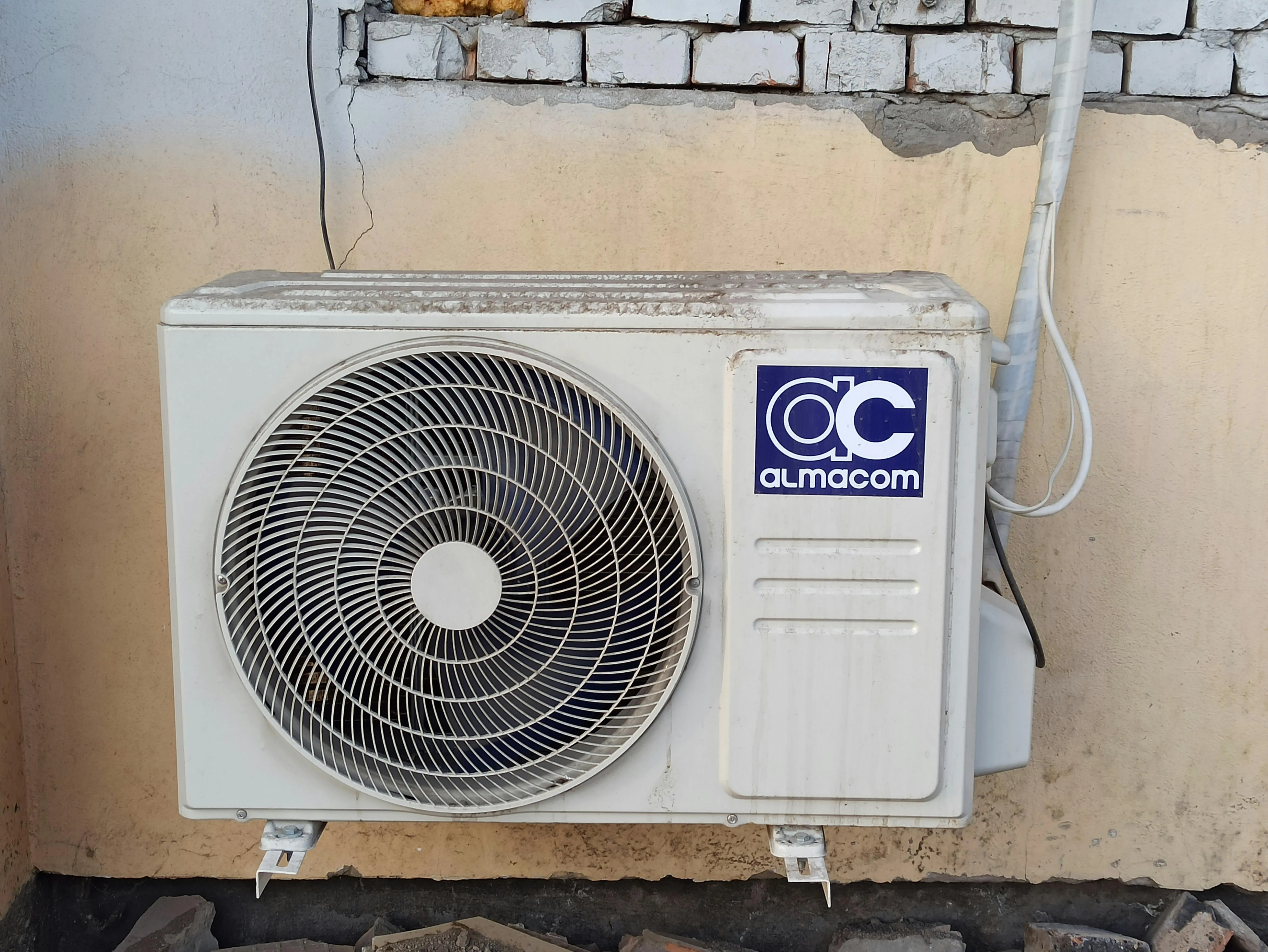
Mini splits get sold on their upside, so the downsides get soft-pedaled. They are real, they are just not all equal. Below we take each one in turn, say plainly how bad it is, and separate the fixed costs of ductless from the ones a smart buying decision erases.
The short answer
The Real Disadvantages of Mini Split Systems
The real disadvantages of mini split systems are four things: a high upfront cost, a visible indoor head in every room you want to condition, filters that need cleaning every two to four weeks, and an install whose quality makes or breaks the whole system. Almost every other complaint you read, uneven temperatures, high bills, short lifespan, traces back to one of those four, usually the last one.
We aggregate manufacturer documentation, professional reviews, and public owner reports rather than bench-testing units, and across those sources the ranking is consistent. Cost tops every list. Aesthetics and maintenance come up next. Install quality gets mentioned least by shoppers and most by the technicians cleaning up after a bad job, which tells you where the real risk sits.
Here is our honest read. Three of these four are manageable. You can shrink the aesthetic hit with head placement, you can keep filters clean in ten minutes a month, and you can budget the upkeep. The stubborn one is upfront cost, and the specific reason it is stubborn is the install: on a conventional system, professional labor and refrigerant work are the largest single line, not the equipment. The rest of this guide breaks down each downside, answers the bill question owners keep asking, names the cases where a mini split is the wrong call, and shows the one buying choice that removes the biggest cost line entirely.
Downside one
Upfront Cost and the Install Markup.
Cost is the disadvantage every source names first, and the numbers back it up. A single-zone mini split runs roughly $2,000 to $6,000 installed, and a multi-zone job climbs to $3,000 to $10,000 or more depending on head count and how hard the runs are. Against a window unit that is a lot of money up front, even though the operating savings show up later.
Here is the part the sticker hides: the equipment is a fraction of that total. On a conventional ductless install, the bigger share is professional labor and the refrigerant work, evacuating the lines with a vacuum pump, pulling them to a deep vacuum, then releasing the factory charge. That is skilled, EPA-regulated work, and it is billed accordingly. Owners who price out a job are often surprised that the condenser and heads cost less than the day of labor to hang them.
So the cost downside is real, but it is not one number, it is two: the hardware and the install. The hardware price is what it is. The install line is the one that swings, and it is the line a pre-charged, homeowner-installable system can zero out, which is exactly why we come back to it at the end. If you are hiring the whole job out, get more than one quote, because labor pricing on ductless varies more than the equipment does.
Downside two
A Unit on Every Wall: The Aesthetics Problem.
A mini split puts a visible indoor head in every zone it conditions, and for a lot of buyers that is the dealbreaker before cost ever is. One head cools one area, so a three-bedroom house that wants comfort in each room is looking at three or four white boxes mounted near the ceiling. There is no ductwork to hide the equipment the way central air does.
You have options, but they cost. Recessed ceiling cassettes and concealed-duct heads tuck the equipment out of sight, and they start around $5,000 per area, well above a wall-mounted head. They also need ceiling or crawlspace access that plenty of rooms do not have, so retrofitting them into a finished house is not always possible. That is the honest tradeoff: the discreet versions exist, they just undo part of the cost advantage that drew you to ductless.
Our take is that this downside scales with your floor plan. An open-concept space can run on one well-placed head and barely register visually. A older house chopped into small rooms behind closed doors is where the wall-unit count, and the visual clutter, gets hard to love. If clean walls matter more than anything, price the concealed option honestly before you decide ductless is the look you want.
Downside three
Maintenance and Filter Upkeep.
Mini splits ask for light but regular upkeep, and it is on you, not a service contract. The washable filters need cleaning every two to four weeks in peak season, monthly the rest of the year, and homes with pets or a unit near a kitchen sit at the frequent end. On top of that, manufacturers want one professional visit a year to clean the coils, check the charge, and look at the electrical connections.
None of that is hard. A dirty filter is a ten-minute rinse in the sink, and clearing leaves off the outdoor unit is a five-minute job. The problem is that ductless makes the upkeep visible and frequent instead of hidden and occasional, so people forget. Skip the filters for a season and airflow drops, the coil fouls, efficiency falls, and you get the musty smell and weak output that show up in owner complaint threads. That is a maintenance failure wearing the costume of a broken unit.
We would call this the most over-blamed downside on the list. The tasks are genuinely easy and the annual pro visit is modest. The catch is discipline. If you will not commit to cleaning a filter twice a month in the summer, factor a maintenance habit, or a maintenance plan, into the decision, because a neglected mini split gives back its efficiency edge fast.
Common question
Why Is Your Electric Bill So High?
If a new mini split spiked your bill, the unit is usually not the culprit. In active season a single-zone system typically adds about $25 to $120 a month, and the swing inside that range is driven by four things: your local electricity rate, daily runtime, how well the unit is sized, and how leaky the room is. The same head can cost twice as much to run in a high-rate state as in a cheap one, on identical settings.
Sizing is the quiet offender. An oversized head cools or heats the room fast, then shuts off before it has pulled any humidity out, so it short-cycles, leaves the space clammy, and wastes energy every cycle. Undersizing is the opposite problem, the unit runs flat out and never catches up. Both read as a high bill. Poor insulation, high ceilings, and big windows all push runtime up the same way, because the machine is fighting the building.
Winter is its own line item. Air-source heat pumps lose efficiency once it drops below about 40°F, and defrost cycles add extra draw, so in a hard cold snap heating cost can top summer cooling cost on the same system. The honest diagnosis: before you blame the technology, check that the unit was sized to the room and that the room is not leaking heat. A right-sized mini split in a decent envelope is one of the cheaper ways to condition a space, which is the whole reason people buy them.
When to walk away
When a Mini Split Is the Wrong Choice.
A mini split is the wrong choice more often than the marketing admits, and we will name the cases. If you already have a central system that works, ripping it out for a wall of ductless heads means paying twice for the same comfort, and it rarely pencils out. If you want every room held at the exact same temperature with the equipment hidden, central air does that better and usually cheaper on the hardware, with stronger whole-home filtration.
Envelope matters too. A single head will not rescue a house with bad insulation, gappy windows, and a leaky layout, and expecting one machine to overpower those problems is a fast way to burn money on a system that still cannot keep up. And a large or heavily compartmentalized house that would need five or six heads to feel even is exactly where the cost and the wall-unit count stop making sense against a ducted system.
Where a mini split does win is the case it was built for: a room or two the central system never reached, an addition, a garage or shop, a house with no ductwork at all, or a spot where zoning one area independently actually matters. Match the tool to the job. If your situation is on the wrong-choice list above, a mini split will underwhelm no matter which brand you pick.
The fix
How to Avoid the Worst Downsides.
You cannot make the wall units invisible for free, and you cannot skip the filters. But the single biggest downside, upfront cost, is the one you can actually design out, because most of that cost is the professional install, not the box. Remove the install line and the whole objection shrinks. That is where the pre-charged, homeowner-installable systems change the math.
The true-DIY shortlist is short: MRCOOL and Zone Air ship factory-charged linesets, while every other 'DIY' unit in this guide is a flare install that needs a vacuum pump.
Zone Air makes the true-DIY cut: the linesets arrive charged from the factory, and there's no vacuum pump, gauge set, or EPA 608 cert involved.
That is the difference between the two install paths below. On a pre-charged system the refrigerant circuit is sealed at the factory, so a homeowner threads the fittings and opens the valves without a vacuum pump, gauges, or EPA 608 certification, and the labor line disappears. On a flare system, including units sold under a 'DIY' label like Cooper & Hunter's Olivia, you still have to evacuate and charge the lines, so the cost, and the certification, come back. Read the install column first.
| Brand | Install | Refrigerant | Cuts the install line? | Best for |
|---|---|---|---|---|
| MRCOOL DIY 5th Gen | Pre-charged quick-connect (no vacuum pump) | R-454B | Yes — homeowner install | Most-stocked true-DIY default |
| Zone Air DIY | Pre-charged quick-connect (no vacuum pump) | R-454B | Yes — homeowner install | Efficiency and cold-climate, 115V option |
| Cooper & Hunter Olivia | Flare connections (vacuum pump + EPA 608) | R-32 | No — pro or rented tools | Marketed "DIY" but a flare install |
| Senville LETO | Flare connections (vacuum pump + EPA 608) | R-32 | No — pro or rented tools | Budget, if you own the tools |
| Pioneer Diamante | Flare connections (vacuum pump + EPA 608) | R-32 | No — pro install | Widest size range |
Only MRCOOL and Zone Air sit on the pre-charged side of that table. Everything else, whatever the branding says, is a flare install that carries the vacuum pump, the gauges, and the pro labor right back onto your bill. We pull these specs from manufacturer listings and public owner reports rather than bench-testing units, so treat them as a starting point and verify current listings as of July 2026 before you buy. The aesthetics and the upkeep are yours to manage. The cost line is the one you can choose your way out of.
Calculator
The bill downside is a sizing problem.
High run cost usually comes from a mis-sized unit or a leaky room, not the technology. Run our calculator with your ZIP, your existing system, and the unit you're weighing. It pulls climate and current electricity-rate data to show annual operating cost, savings, and simple payback before you commit.
Run the numbers for your home→Disadvantages of Mini Splits: FAQ
How often do you have to clean the filters on a mini split?
Plan on cleaning the washable filters every two to four weeks during peak heating or cooling season, and monthly in lighter use. Homes with pets, heavy dust, or a unit near a kitchen sit at the two-week end. On top of that, most manufacturers ask for one professional visit a year to clean the coils and check the refrigerant charge.
How long do mini splits last?
Owner reports and manufacturer figures put a ductless mini split at roughly 15 to 20 years, with some quoting 12 to 15. The range is driven almost entirely by two things: install quality and whether the filters actually get cleaned. A well-installed, maintained system reaches the top of that band; a rushed install with dirty coils does not.
Do mini splits raise your electric bill?
In active heating or cooling season a single-zone mini split typically adds about $25 to $120 a month, and multi-zone setups or heavy winter heating push it higher. The number tracks your local electricity rate, daily runtime, and how well the unit is sized more than the technology itself. An oversized head that short-cycles is a common reason bills come in higher than expected.
Can one mini split cool a whole house?
A single indoor head conditions its own zone, not the whole house. In an open floor plan one head stretches further, but a chopped-up layout with closed doors leaves you warm under the unit and stuffy across the hall. Whole-house coverage usually means multiple heads on one condenser, which is where the cost and the wall-unit count climb.
Do mini splits work in cold weather?
They do, but standard air-source heat pumps lose efficiency below about 40°F, and defrost cycles add extra draw, so runtime and bills climb in a hard winter. Cold-climate rated models hold usable output down to roughly -13°F and are the ones to buy if you heat with the system, though even those cost more to run when it is genuinely cold.