
Guide · gree livo review
Gree Livo Review: Evidence-Based Look at a Budget Mini Split
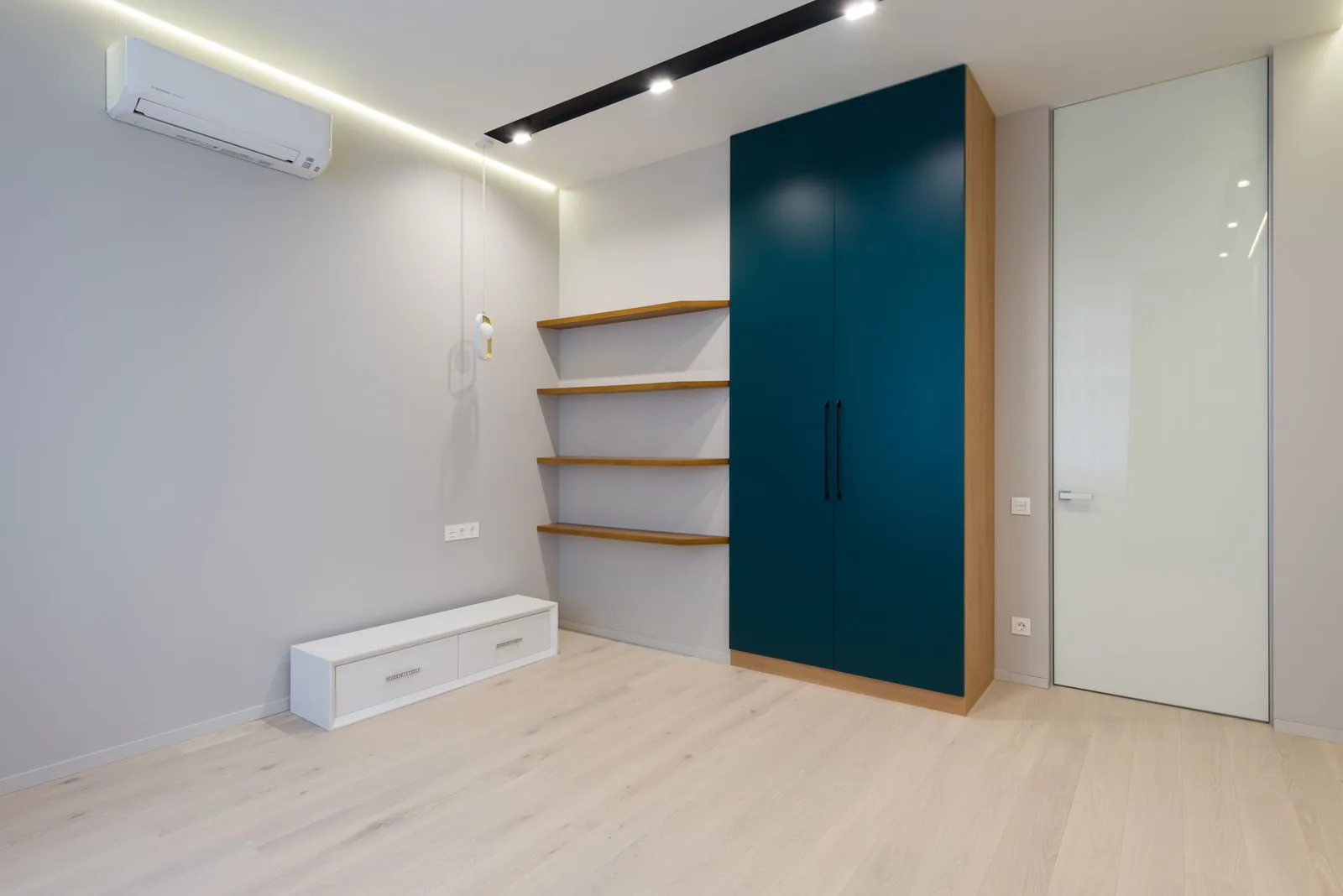
This gree livo review pulls together what owners say, what installers report, AHRI test data and the manufacturer's own docs so you can decide if this budget ductless line is worth your money. We don't test units ourselves. We look at the evidence that's already out there and weigh it accordingly.
Key Takeaways
-
Gree is one of the biggest AC makers in the world. The Gree Livo is a ductless mini-split heat pump that comes from Gree. The Livo series has a reputation for hitting a middle ground between low price and decent efficiency, and some models reach up to 21 SEER2 while HSPF2 runs about 8–10 depending on the size and generation you look at.
-
Some of the newer Livo R32 models can keep heating down to -13°F, and Gree says its heat pumps run efficiently at temperatures as low as -30°C, but not every Livo SKU is what you'd call "hyper-heat" class. When it gets really cold out, the heating capacity drops quite a bit.
-
Reliability has gotten better compared to older Gree units, though installers still put it in the middle of the pack. For supplemental heating and cooling in mild to cold climates, the Gree Livo is a solid choice, but you've got to get it installed by a pro if you want quiet operation, good performance and the warranty to hold up.
-
Verdict: it's strong value for buyers who are watching their budget and want efficient cooling plus some supplemental heat. If you live somewhere with very harsh winters or you want peak efficiency, you should look at the Gree Sapphire or step up to premium brands like Mitsubishi or Fujitsu.
Overview of the Gree Livo Line
The Livo family includes single-zone and multi-zone ductless air conditioners and heat pumps. With Livo, Livo+, and newer Livo GEN4, this line has been sold in North America for over a decade. These mini-split systems do not need traditional ductwork for installation, which makes them popular for remodels and additions.
-
The Gree Livo comes with capacities from 9,000 to 36,000 BTU at 115V or 208/230V, and it is available in single-zone options for individual spaces.
-
Livo sits below Gree's Sapphire and Vireo lines on features and efficiency but above no-name imports on documentation and parts support.
-
Older models use R410A refrigerant. Newer R32 versions have Gree's R32 refrigerant. It has a lower global heating potential. Gree heat pumps reduce greenhouse gas emissions a lot because of this transition.
-
DC inverter technology reduces energy usage by varying compressor speed rather than cycling on and off. It also reduces wear on components.
You can see this from the perspective of mini split review: we pull together Reddit posts, HVAC board posts, what installers have seen and manufacturer data. We don't claim to do lab testing.
Specs, Features and Efficiency Ratings
Here's what the numbers actually look like across the different Livo generations. It's a good idea to check your exact AHRI-listed model before you buy.
-
Efficiency ratings: Older R410A Livo models usually come in around SEER 16–18 and HSPF 9–10. The Gree Livo R32 has a SEER2 rating of 20.0 on the 9k 230V unit. For comparison, Gree Sapphire models go up to SEER 38, and something like the Gree Sapphire has an HSPF rating of 15, so Livo is built as a step down to keep the upfront cost lower.
-
Features: The Livo comes with convenience features like speed mode and multi-speed fans, sleep mode, dehumidification and built-in Wi-Fi for remote control on GEN4 units. Instead of just relying on the return-air sensor, the I-Feel technology steps temperature right where you are. That helps with comfort.
-
Noise: The Gree Livo runs pretty quiet, with sound levels around 28 dB on low fan speed. For durability, the indoor and outdoor coils have anti-corrosion coatings. That said, poor installation can make any unit seem noisier no matter what the spec sheet says. Line-set vibration and wall noise can turn a quiet unit into an annoying one.
-
Why ratings matter: In hot or cold zones, even a few SEER2 points directly affect what you pay monthly. It's a good idea to compare AHRI-listed efficiency ratings across 2–3 models before you commit.
Cold-Climate Performance and Extreme Cold Limits
Livo can handle cold weather, but it's not Gree's top cold-climate line. This is the main thing that separates it from their higher-end products.
-
Older R410A units often list -4°F to 0°F as their floor. On the best R32 SKUs, the Gree Livo can keep heating down to -13°F, and Gree heat pumps run efficiently at temperatures as low as -30°C. In extreme cold, Gree heat pumps do maintain pretty good efficiency for what they cost, but the capacity falls off at those low ambient temps.
-
A unit that's rated at 18,000 BTU at 47°F might deliver a lot less heating capacity at 5°F. Installers on HVAC forums say Livo units can keep up in the 10–20°F range in well-insulated homes, but they need backup heat when you get extended sub-zero cold spells.
-
A Toronto homeowner said their Gree heat pump worked without issues in winter. That lines up with what you can expect in cold climates with good insulation.
-
For truly harsh winters, buyers should look at Gree Sapphire or similar hyper-heat options. The Gree Livo can work as a supplemental system in extreme outdoor temperatures, but it isn't made to be your only heat source in zones that regularly see prolonged sub-zero weather.
-
Installation details matter: getting the refrigerant charge right, protecting the outdoor unit placement, and handling condensate properly all affect how it defrosts and how much efficiency it loses.
Real-World Owner Feedback and Reliability
We give more weight to detailed, dated posts on Reddit and trade forums than to one-liners from people we don't know. Here's what patterns show up.
-
Positive: Users appreciate the Gree Livo for good energy efficiency and relative affordability. Many users like Gree heat pumps for their reliability and efficiency in cooling, and owners consistently report noticeable savings versus older window air conditioners or central systems. Gree heat pumps are known for their quiet operation during use when properly mounted.
-
Complaints: The most common problems trace back to improper installation. Bad flares, skipping the vacuum and vibration from loose line sets are the usual causes. When it's not installed right, you can end up with higher energy bills and annoying error codes. Communication errors between the indoor and outdoor units also come up in forum threads.
-
Reliability trend: Technicians on US trade forums put Gree in the middle of the pack, above the cheapest imports and below the long-established Japanese brands. Ultra-budget brands that don't have real parts pipelines often get compared poorly to the Gree Livo.
-
Service experience: Warranty response depends on the dealer network. Homeowners who bought internet-only kits without a local contractor report slower parts availability. You'll need professional installation for best performance and easier warranty claims.
Cost, Operating Expenses and Value
Most readers want to know: is Livo actually cheaper, and what do you give up?
-
Hardware: Single-zone Livo R32 units usually run $1,400–$1,900 for equipment only. Installation costs for Gree heat pumps range from $3,000 to $8,000 depending on how complex the job is, with most single-zone installs falling in the $3,000–$5,000 range.
-
Operating savings: Gree heat pumps can cut energy bills by up to 50% compared to older resistance heat or inefficient central systems. Homeowners report Gree heat pumps cut heating bills by 50% when conditions are right. You can save $1,200 a year by switching to Gree heat pumps, though your results will depend on local rates, climate and insulation.
-
Vs. premium brands: Mitsubishi, Daikin and Fujitsu usually cost 20–50% more for hardware with higher efficiency ratings at low temperatures. Livo's value is in giving you "enough efficiency" at a lower upfront cost.
-
Vs. ultra-cheap imports: Those might undercut Livo on price but they often don't have clear manuals, US parts availability or real distributor networks.
Warranty and the Importance of Professional Installation
A lot of issues you might blame on "bad units" are actually installation or sizing mistakes. Warranty and installation quality are tightly linked with Livo.
-
Our vetted finding: GREE's standard residential warranty is 5 years on parts and 7 years on the compressor with no registration. Gree provides a 2–5 year parts warranty on the standard path. Gree usually offers a 10-year warranty on compressors-but that term applies only through GREE Pick Dealers with registration within 60 days. Warranty coverage depends on installation by certified dealers, so confirm current terms in writing.
-
For full coverage, Gree units need installation by authorized technicians. Self-install or unlicensed refrigerant work can void the compressor warranty in most US zones.
-
Professional installation is what makes a heat pump run efficiently: getting the line-set sizing and flaring right, doing a deep vacuum and decay test, checking the factory charge, making sure the condensate slopes properly, and sizing the breaker correctly all matter.
-
While handy homeowners can physically mount the components themselves, they should still pay a licensed HVAC tech for the refrigerant work and commissioning if they care about warranty guarantees and long-term results.
-
Ask any installer you're considering about their experience with Gree specifically, where they get parts locally, and how they handle warranty claims. This guidance directly affects your downtime if something fails mid-season.
Who Should Buy the Gree Livo
Picking the right system is something that depends on your climate, budget and expectations, not marketing.
-
Ideal buyers: You, if you're in US regions with hot summers and winters that usually stay above 0°F. You, if you're replacing window air conditioners or adding ductless cooling to bonus rooms, garages or home offices. You, if you're someone who cares more about good value than absolute peak performance.
-
Poor fit: Off-grid cabins that need maximum low-temperature output. Homes in interior northern states with prolonged sub-zero cold. Buyers who prioritize brand prestige or 12-year warranty guarantees.
-
First mini-split: Livo can work well for DIY-inclined homeowners who bring in a pro for refrigerant work, as long as they accept that they're giving up some extreme-cold room and warranty term compared with top-tier options.
-
Our guidance: Get at least two quotes, one for a Gree Livo and one for a higher-end cold-climate model, and compare total installed cost, projected operating cost and warranty coverage side by side before you commit.
FAQ
Gree Livo for primary heat in cold climates?
Some Livo R32 models can operate in extreme cold down to -13°F, and Gree heat pumps run efficiently at temperatures as low as -30°C. However, heating capacity and efficiency drop a lot at those temperatures. In places like northern Minnesota or interior Maine, Livo works best as supplemental heat alongside a furnace or boiler. Homeowners who want a heat pump as their true primary heat in harsh climates should look at cold-climate lines like Gree Sapphire. It can cut heating bills by up to 50% even in deep cold because it keeps more capacity.
How does Gree Livo compare to Sapphire and Vireo?
Livo is Gree's value line with mid-to-good efficiency ratings and simpler features. Vireo sits mid-range. Sapphire is top-tier. In that line, Gree heat pumps have a SEER rating of up to 38, with a lot stronger low-temperature performance and sometimes better warranty support through pick dealers. Sapphire costs more upfront but may be worth the price in cold regions through better heating output.
Can you install a Gree Livo yourself and keep the warranty?
In most US markets, Gree is looking for installation by a licensed HVAC professional. Distributors usually have to see documentation of professional installation to honor the 5/7 or 10-year warranty terms. DIY mounting might be legal, but handling refrigerant without the right licensing can break local codes and void your coverage. You'll want to confirm the exact rules with your supplier before you buy.
Does the Gree Livo work well just for air conditioning?
Yes. Many Livo buyers in warm regions use the system mainly as an air conditioner, and its efficiency ratings mean lower operating costs than older central units or window air conditioners. Even if you rarely need heat, run it briefly in heat mode a couple times a year to keep components lubricated and make sure everything works before any rare cold snap hits.
How do you size a Gree Livo for your space?
While online rules of thumb suggest 18,000 BTU for about 700–1,100 square feet, proper sizing should come from a Manual J load calculation that accounts for insulation levels, window area, air leakage and local design temperatures. Oversizing is what causes short cycling and humidity problems. Undersizing is what leaves you uncomfortable in both cooling and heating. Ask your installer to run the numbers rather than guessing from square footage alone.
Run the numbers
What would a mini split cost to run in your home?
Run our calculator with your ZIP, your existing system, and the mini split you're considering. It pulls climate and current electricity-rate data to show annual operating cost, savings, and simple payback.
Run the numbers for your home