Guide · mitsubishi msz-gl vs msz-fs
Mitsubishi MSZ-GL vs MSZ-FS: Which Mini Split Head Should You Choose?
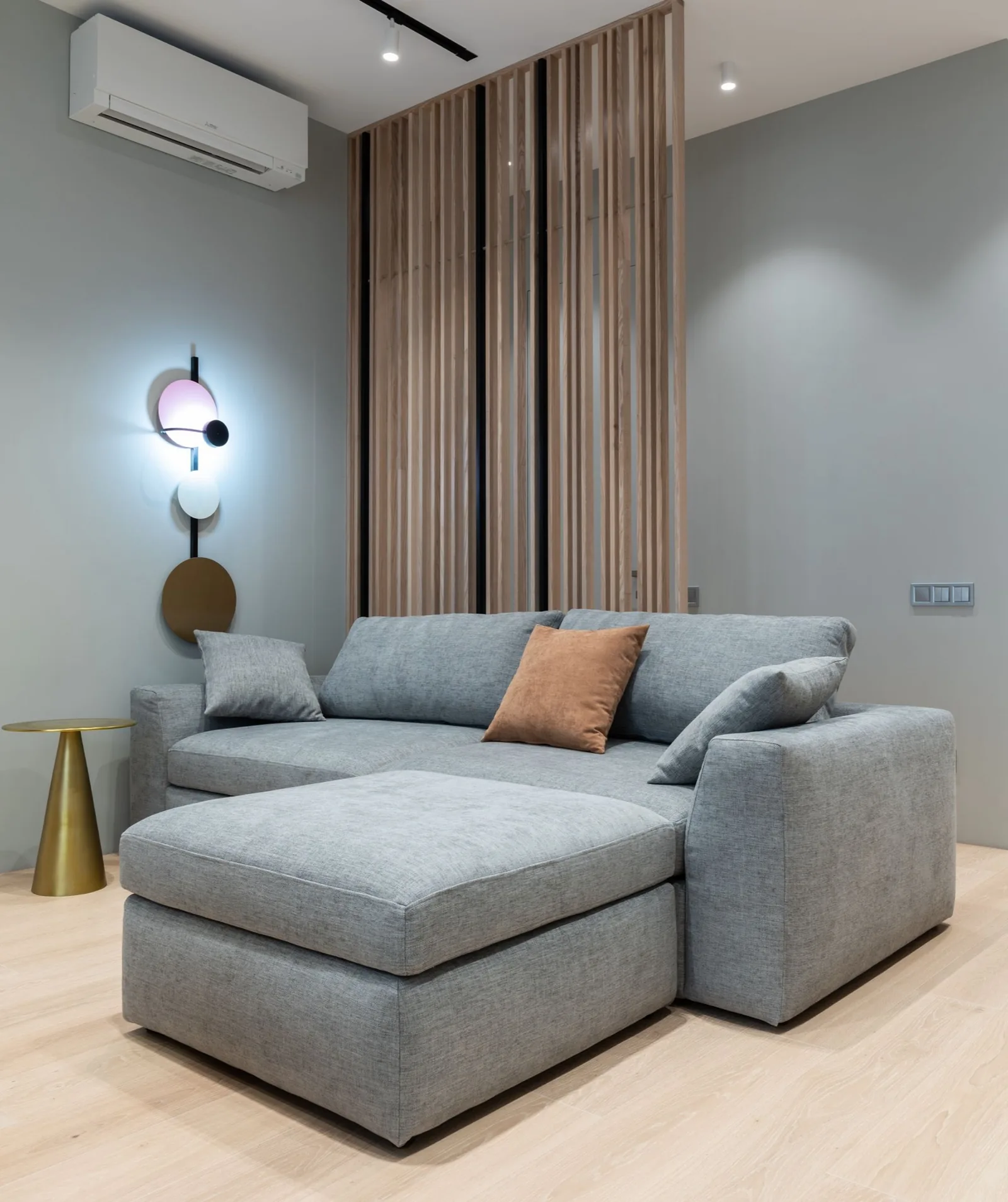
If you're comparing the mitsubishi msz-gl vs msz-fs, you might be looking at two wall-mounted mini-split indoor units from the same brand that seem like they would do the same thing, but they actually serve very different purposes. Built for jobs where cost matters, the MSZ-GL can give you solid cooling, decent heating and simple controls. With its focus on maximum comfort and efficiency, the MSZ-FS has Hyper-Heating for cold climates, advanced sensors and better energy efficiency than the GL. Whether you need the mini split to be a reliable primary heat source when it gets cold is the single biggest thing that should drive your decision.
For most U.S. homeowners putting in a new system in 2026, the short answer is that the MSZ-FS is probably the stronger pick - especially if you live where temperatures regularly drop below 20°F, if noise in bedrooms matters, or if you want the best shot at federal tax credits and utility rebates. You might find the MSZ-GL still makes sense if your climate is mild, cooling is the main job, or up-front budget is the hard limit. Below, we go over the details of efficiency, cold-climate heating, comfort features, noise, price, warranty and more. We use manufacturer specs, ENERGY STAR and AHRI data, and what owners and installers have reported.
What Is the Mitsubishi MSZ-GL Series?
-
Costing less than the MSZ-FS, the MSZ-GL has equipment prices that are a lot lower when you look at similar sizes. Value-tier spot.
-
The MSZ-GL06NA has a SEER rating of 20, and the MSZ-GL18NA has a SEER rating of 20.5. Good but not top-tier efficiency. That is well above the 16 SEER threshold that people consider efficient, but it is below what the FS models can achieve.
-
With standard multi-stage filtration and a single horizontal vane so you can direct the airflow, the MSZ-GL keeps things simple. Simpler feature set. It has basic remote control functionality, and it does not have occupancy sensors or thermal function.
-
Fitting quietly in most rooms with its low-profile design, the MSZ-GL series also covers up to 550 square feet with the MSZ-GL12NA. Low-profile design.
-
Widely available. Because the GL has been on the market longer, it's easy to find in stock and easy to source for add-on zones or budget-conscious updates.
One detail worth noting: Mitsubishi's MSZ-GL manual says to do a triple evacuation to 500 microns held at least an hour and says manifold gauges must not be used to measure the vacuum. That level of install care isn't optional - it's the manufacturer's own requirement. It applies to every GL job.
What Is the Mitsubishi MSZ-FS Series?
Mitsubishi's current "Deluxe" wall-mounted head, the MSZ-FS is usually paired with Hyper-Heating MUZ-FS outdoor units for single-zone cold-climate installs. It is also available on pick multi-zone condensers.
-
Hitting efficiency ratings up to 33.1 SEER, the MSZ-FS stands out. Top-tier efficiency. The MSZ-FS06NA has a SEER rating of 32.2. ENERGY STAR lists Mitsubishi's MUZ-FS12NAH with the MSZ-FS12NA head at 26.3 SEER2 and 10.4 HSPF2 - numbers that put it among the most energy efficient wall-mounted mini splits you can buy.
-
Hyper-Heating performance. At 5°F, the FS pair is delivering about 14,700 Btu/h of heating - more than its 12,300 Btu/h at 47°F. That is unusual, and it is really important for cold regions. If you need efficient heating in cold weather, the MSZ-FS is what you want.
-
Advanced comfort features. With the 3D i-see Sensor for occupancy-based airflow management, dual independent blades for flexible airflow control, a triple-action filtration system with advanced filters, and a premium lit remote control, the MSZ-FS has a lot to offer.
-
Costing a lot more, the FS is meant to give you long-term comfort, lower bills and a better shot at rebates. Higher equipment cost.
Mitsubishi MSZ-GL vs MSZ-FS at a Glance
Using data from the ~6k–12k Btu size class, the table below covers the most common range for single-room installs. Based on the model year and the outdoor unit match, the exact specs can vary.
| Factor | MSZ-GL | MSZ-FS |
|---|---|---|
| Best for | Budget installs, mild climates, cooling-dominant use, supplemental heating | Cold climates, primary heating, max comfort and advanced air filtration |
| SEER (smaller models) | \~20 (GL06NA) | \~32.2 (FS06NA) |
| SEER2 / HSPF2 (12k combo) | \~23.1 SEER2 / \~9.3 HSPF2 | \~26.3 SEER2 / \~10.4 HSPF2 |
| Heating at 5°F | Capacity drops sharply; not rated for Hyper-Heating | \~14,700 Btu/h - exceeds 47°F output |
| Quiet-mode noise (cooling) | \~19–22 dB(A) | \~19–21 dB(A) |
| Airflow control | Single horizontal vane, basic settings | Dual independent vanes, finer control |
| Comfort sensors | None | 3D i-See sensor (occupancy + thermal mapping) |
| Filtration | Standard multi-stage | Triple-action with advanced filters |
| Remote control | Basic handheld | Premium backlit remote |
| Relative equipment cost | $$ | $$$ (roughly 15–30% higher) |
The MSZ-FS wins on efficiency and heating performance across the board. The MSZ-GL is the simpler, more affordable head when those extras aren't needed.
Efficiency and Operating Cost
SEER2 and HSPF2 directly turn into what you pay on your electricity bills each month - higher numbers mean the compressor does the same job with less power. They also determine whether your system can get federal tax credits under the IRA and state or utility rebates, and those increasingly need high cold-climate ratings.
Looking at the 12,000 Btu class: the FS pair (MUZ-FS12NAH + MSZ-FS12NA) hits 26.3 SEER2 and 10.4 HSPF2. Coming in around 23.1 SEER2 and 9.3 HSPF2 according to published spec data, the GL pair shows about a 10–15% efficiency gap in both cooling and heating, which compounds over years of operation. In smaller sizes the gap is even wider: the MSZ-FS06NA has a SEER rating of 32.2 while the MSZ-GL06NA has a SEER rating of 20. Both are well above the 16 SEER threshold that people consider efficient, but they're not in the same league.
Winner: MSZ-FS - clearly higher efficiency in common FS pairs, better odds of qualifying for top-tier rebates. The lowest lifetime operating cost. Where power is cheap and runtime is small, the MSZ-GL is acceptable.
Cold-Climate Heating Performance
If you're wondering whether a mini split can replace your furnace or boiler, this is the section that matters most. Low-temperature heating capacity determines whether your system can keep your house warm as a primary heat source when temperatures drop to 0–15°F or below - common in the Upper Midwest, New England and mountain states.
At 5°F, the MUZ-FS12NAH is delivering about 14,700 Btu/h of heating - more than its rated 12,300 Btu/h at 47°F. Showing Hyper-Heating behavior that's really unusual, the MSZ-FS paired with the MUZ-FS outdoor unit continues to run down to about -13°F, though with reduced capacity (~11,000 Btu/h). This is what makes FS models a realistic option for you if you're looking to replace or dramatically reduce oil, propane or electric resistance heating in cold weather.
The MSZ-GL tells a different story. GL-paired outdoor units are not rated for Hyper-Heating, and their heating capacity drops more as temperatures fall. Owner and installer reports we've gathered consistently show GL units losing significant output below about 20–25°F, making them less reliable as the sole heat source in really cold climates. GL tends to be chosen for shoulder-season heating or cooling-dominant jobs.
With inverter-driven compressors for dynamic speed adjustments, both models help with speed changes at partial loads. But the compressor and outdoor unit design in the FS line is built for sustained low-ambient operation in ways the GL is not.
Winner: MSZ-FS - designed for aggressive low-ambient heating and proven in cold-climate owner reports. You'd find the MSZ-GL fits better in mild climates or where it's strictly supplemental heating.
Comfort, Noise and Indoor Air Quality
Noise. Both models are designed for quiet operation at low decibel levels. How quiet are these units in practice? Mitsubishi mini splits operate as low as 19 decibels, and both the GL and FS achieve Quiet-mode sound pressure in the 19–22 dB(A) range in cooling - essentially quiet in most rooms. For comparison, the Mitsubishi MSZ-FH09NA operates at just 20 dB on low settings. At medium and high fan speeds, the difference grows, where FS units tend to maintain a bit more polished noise control for equivalent capacity. For bedrooms, kids' rooms and home offices, both are excellent - but the FS has a slight edge when the system needs to run harder.
Winner: MSZ-FS - quieter at higher loads, better airflow control, better filtration and the 3D i-See sensor adds comfort value. Perfectly fine for utility spaces, shops or secondary rooms where those features would go unused, the MSZ-GL still holds its own.
Price, Installation and Availability
Online equipment-only prices usually show FS heads and matching Hyper-Heating outdoor units costing about 15–30% more than GL pairs of the same capacity. One market listing puts FS12 equipment at about $2,680 for the pair (equipment only). The GL equivalent tends to run lower, though exact prices depend on seller and region. The installed price gap can grow when the FS is paired with its matching MUZ-FS Hyper-Heating condenser, since labor for cold-climate installs often involves additional details like pan heaters, insulation and defrost management.
Winner: MSZ-GL - lower up-front cost and broad availability make it the easy buy. Where incentives and heavy heating use make up for the premium, the MSZ-FS can still be the better economic choice.
Compatibility, Controls and Future-Proofing
System compatibility. Both the MSZ-GL and MSZ-FS are part of Mitsubishi's M-Series. Usually pairing with MUZ-GL or MUY-GL outdoor units, the GL works alongside the FS which usually pairs with MUZ-FS Hyper-Heating condensers. Both can also work as indoor units on MXZ multi-zone systems, though specific model combinations, capacity drops and allowed matches need to be checked through Mitsubishi's engineering forms.
Controls. Both support Mitsubishi's own wall controllers and cloud gateways. Via the Mitsubishi kumo cloud app for remote schedule and settings management, both models can connect to home automation systems. The FS works more tightly with advanced control modes - occupancy-based speed changes, fine-grained setpoint control and sensor-driven function that the GL simply doesn't have the hardware to support.
Refrigerant and future models. Both the GL and FS are running on R-410A. Mitsubishi's newer FX series uses R-454B and pushes efficiency dramatically higher: ENERGY STAR lists Mitsubishi's MUZ-FX12NLHZ with the MSZ-FX12NL head at 29.9 SEER2, 15.4 EER2, and 12.4 HSPF2 on R-454B, with 16,200 Btu/h of heating at 5°F. Closer in style and capability to where Mitsubishi is heading, the FS is the one to watch. As an older design, the GL may see fewer small feature updates.
Winner: MSZ-FS - better matched with Mitsubishi's high-end control system and future efficiency trends. A practical option for adding capacity to existing systems where compatibility is confirmed, the MSZ-GL stays.
Warranty and Long-Term Reliability
These warranty details apply to both the GL and FS in the same way:
-
Base warranty: The base warranty for Mitsubishi's M-Series is 5 years on parts for residential use by default.
-
Extended warranty: The 12-year parts and compressor term applies only when a Diamond Contractor installs and registers the system within 90 days.
-
Labor: Not covered by Mitsubishi. Any labor warranty is strictly from the installer - get it in writing.
Winner: Tie - both GL and FS share the same Mitsubishi M-Series warranty model and strong reliability record. Your bigger variable is installer quality and maintenance, not the head series.
Mitsubishi MSZ-GL vs MSZ-FS - Which Should You Choose?
-
Choose the MSZ-FS if:
-
You live in a cold or mixed climate (regularly below 20°F) and you want the mini split to be a primary heat source.
-
You care about extremely quiet operation in bedrooms, kids' rooms or offices.
-
You're after maximum efficiency, lower lifetime energy cost and likely qualification for tax credits or utility rebates.
-
You value advanced comfort features like occupancy sensing, more stable room temperatures and upgraded filtration.
-
Choose the MSZ-GL if:
-
You're in a mild or hot climate where cooling is the main job and winter lows rarely challenge standard heat pumps.
-
Is your up-front budget tight and would you rather keep hardware cost down than pay for premium features you won't use?
-
You're adding a zone to an existing Mitsubishi system where GL is directly compatible and matches the other indoor units.
-
A secondary space - shop, bonus room, seldom-used guest room - is what the room is, where basic comfort is complete enough.
For most homeowners installing a new primary system in 2026, the MSZ-FS is the stronger all-around pick. It delivers more heat when it's cold, runs more efficiently and offers comfort features that make up for the premium in any home where the system will see heavy use. When circumstances don't demand - or pay back - the FS's capabilities, the MSZ-GL is a sensible budget or add-on choice. Before signing, confirm exact model numbers, AHRI ratings and warranty terms with your contractor, and make sure the outdoor unit match matches the performance level you're paying for.
Frequently Asked Questions
Is the Mitsubishi MSZ-FS worth the extra money over the MSZ-GL?
It depends on how hard the system will work. In cold climates with high electricity prices, the FS's higher HSPF2 (10.4 vs 9.3 in 12k models) and Hyper-Heating capability can save real money on heating bills over 10–15 years while keeping your house warm without backup heat. Add in potential rebate qualification and the payback can be faster than the equipment price gap suggests. In mild climates with light heating use or where cooling is the primary job, the GL's lower equipment cost and solid performance make it the more practical spend. We'd encourage running a rough 10-year energy cost comparison using your local electric rate and the AHRI efficiency data for each pair.
Which Is Better for DIY Installs?
Neither, honestly. Mitsubishi systems are not sold as homeowner-install products in the U.S., and DIY refrigerant work can put warranty coverage at risk. Both heads need the same professional-level evacuation and charge procedures - the triple evacuation to 500 microns held for an hour, checked with proper tools, not manifold gauges. If you want to be hands-on, focus on prep work: mounting surfaces, wall penetrations, electrical rough-in and running the line-set path. Leave the refrigerant work, startup and commissioning to a licensed technician.
Does choosing MSZ-FS automatically give me Mitsubishi's 12-year warranty?
No. The base warranty is 5 years on parts. The extended 12-year parts and compressor warranty depends on Diamond Contractor installation and registration within 90 days, regardless of whether the head is GL or FS. Labor is not covered by Mitsubishi under either term - any labor warranty is strictly from the installing contractor, so get the complete details in writing before the job starts.
Run the numbers
What would a mini split cost to run in your home?
Run our calculator with your ZIP, your existing system, and the mini split you're considering. It pulls climate and current electricity-rate data to show annual operating cost, savings, and simple payback.
Run the numbers for your home