Reviews · 9,000 BTU DIY mini splits
Best DIY Mini Split for a Bedroom in 2026: MRCOOL vs Pioneer vs Senville vs Zone Air (9,000 BTU DIY Installation)
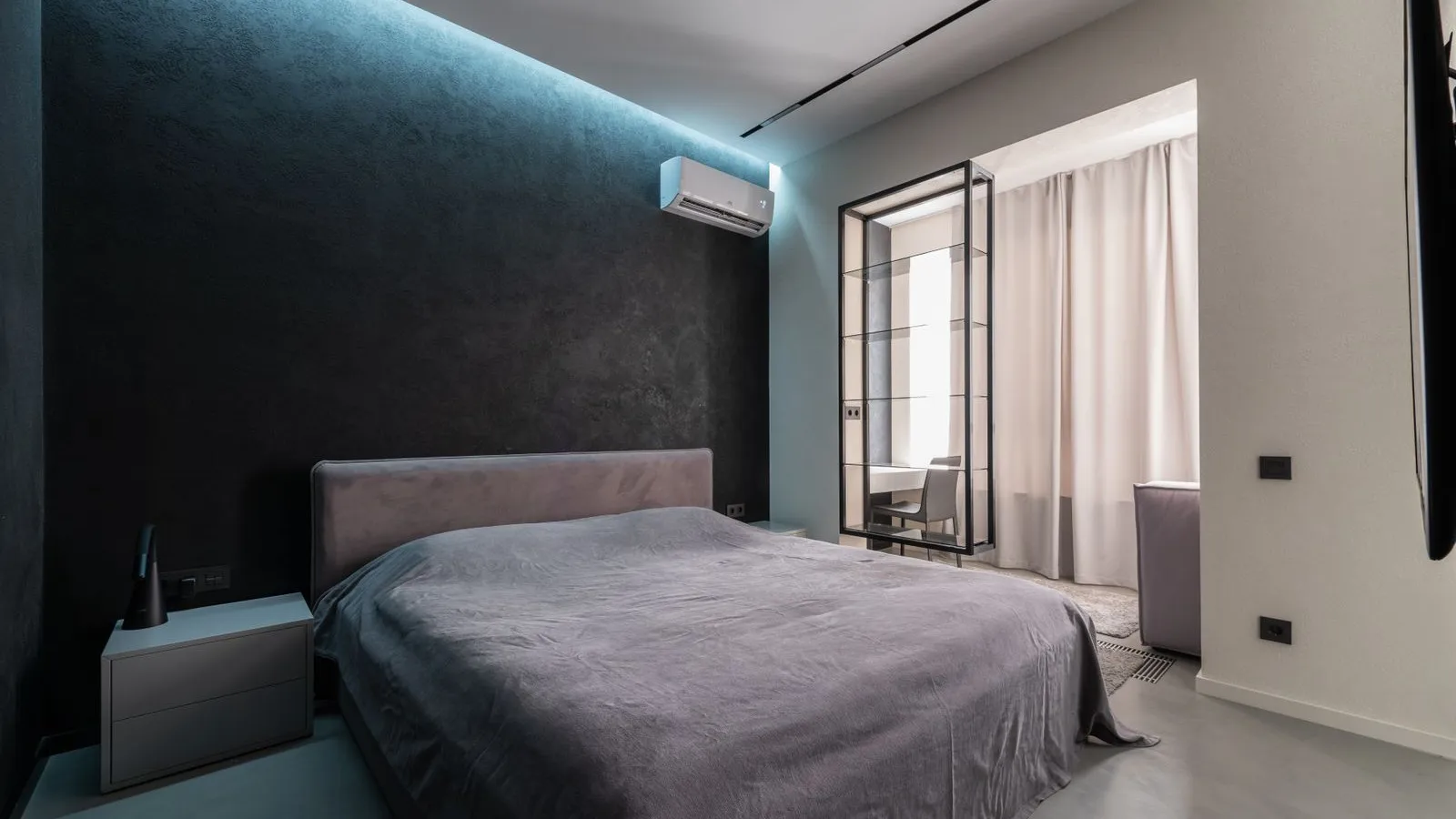
Picking the best DIY mini split for a bedroom means sorting through brands that market themselves as "DIY" but differ wildly in what that actually requires. Here's how the four most-searched 9,000 BTU options compare for a real do-it-yourself bedroom install in 2026, using manufacturer specifications, published warranty terms, and current retail pricing for true quick connect systems and traditional ones alike.
Quick Answer: Best 9,000 BTU DIY Mini Split for a Bedroom in 2026
Zone Air's 9,000 BTU single-zone system is the best overall DIY mini split for a bedroom in 2026. MRCOOL DIY 5th Gen 9K is a solid runner-up. Pioneer and Senville 9K units can perform well, but they demand professional installation to keep your warranty intact.
A 9,000 BTU capacity is ideal for standard bedrooms up to about 350 to 450 square feet with normal ceiling height. Smaller, well-insulated rooms might get away with 6K; large master suites with vaulted ceilings may need 12K.
Here's the quick answer on each option:
- Zone Air 9K — 24 SEER2 on the 230V model (23 SEER2 on the 115V version), custom-cut pre-charged line sets up to 75 ft as a single run with one pair of quick connect fittings, a 115V model on a dedicated 15A circuit, and roughly 10–20% cheaper than a comparable MRCOOL system at $1,949.99 for the 230V 9K. Full DIY installation without voiding the warranty.
- MRCOOL DIY 5th Gen 9K — 23.6 SEER2, 115V, pre-charged QuickConnect line sets in fixed lengths (16, 25, 35, 50 ft), widely available at retail. The 9K DIY 5th Gen system typically runs about $2,000 to $2,330 depending on configuration and retailer.
- Pioneer Diamante 9K — traditional flare-and-vacuum install. Lower equipment cost (roughly $978 to $998 for the Diamante Ultra), but you need a vacuum pump, manifold gauges, and usually a licensed HVAC technician. Not a true DIY mini split.
- Senville LETO / Aura 9K — the LETO 9K costs $699.99 and is rated 21.5 SEER2, and the Aura 9K reaches 27.4 SEER2 with heating down to −22°F. Good performance, but Senville states that professional installation is required to maintain warranty coverage, so a self install puts that coverage at risk.
9,000 BTU Bedroom Mini Split Specs: Zone Air vs MRCOOL vs Pioneer vs Senville
Manufacturer-published figures for the 9,000 BTU single-zone systems each brand sells for a bedroom, as of September 2026.
| Spec | Zone Air 9K | MRCOOL DIY 5th Gen 9K | Pioneer 9K | Senville 9K |
|---|---|---|---|---|
| True DIY (no vacuum pump) | Yes — pre-charged quick connect | Yes — pre-charged QuickConnect | No — flare and vacuum | No — flare and vacuum |
| SEER2 (9K) | 24 (230V) / 23 (115V) | 23.6 (115V) | 23 Diamante Ultra 115V; 19–20 Diamante Pro | 21.5 LETO / 27.4 Aura |
| Voltage | 115V or 208–230V | 115V (hardwired) | 115V or 230V | 115V (LETO) / 230V (Aura) |
| Heating operates down to | −13°F | −13°F (−22°F Hyper Heat) | −13°F (Diamante Ultra) | 5°F (LETO) / −22°F (Aura) |
| Line set | 16 ft in the box; single runs to 75 ft | 25 ft in the box; 16 / 25 / 35 / 50 ft sets | 16 ft flare kit | 16 ft pre-flared (LETO); 25 ft charge (Aura) |
| Indoor sound, quietest setting | 30 dB(A) mute mode | Varies by listing | Varies by listing | Varies by listing |
| Warranty | 5 yr parts / 7 yr compressor, DIY install covered | 5 yr parts / 7 yr compressor, no registration required | Up to 5 yr with registration; 1 yr parts unregistered | 5 yr parts / 5 yr compressor (LETO); 10 yr compressor (Aura) |
| Homeowner install and warranty | Covered | Covered when the guidelines are followed | Requires a properly installed unit | Professional installation required for coverage |
| Price, 9K system (Sept 2026) | $1,899.99 (115V) / $1,949.99 (230V) direct | About $2,000–$2,330 | About $978–$998 (Diamante Ultra) | $699.99 (LETO) |
Sources: Zone Air 9K 115V and 9K 230V listings, MRCOOL's DIY 5th Gen 9K retail listing, Pioneer Diamante Ultra 9K, and Senville LETO 9K / Aura 9K.
How DIY Mini Split Systems Work in a Bedroom
A DIY mini split is a ductless heat pump that pairs an indoor unit (wall-mounted air handler) with an outdoor unit (condenser) connected by a refrigerant line set. It provides year-round climate control — both heating and cooling — for a single bedroom without ductwork.
The basic components are straightforward:
- Indoor air handler mounted high on the bedroom wall
- Outdoor condenser placed on a pad or bracket outside
- Pre-charged line set carrying refrigerant between the indoor and outdoor unit
- Condensate drain routed to the exterior
- Communication and power cable connecting both units
The main difference between true DIY mini split systems (Zone Air, MRCOOL DIY) and traditional mini split systems (Pioneer, Senville) is how the refrigerant circuit gets completed. Pre-charged line sets simplify DIY installation without HVAC certification — you tighten fittings and the sealed refrigerant releases into the line. Traditional systems require cutting and flaring copper tubing, pulling a deep vacuum, and handling refrigerant, which typically means hiring a licensed technician with EPA Section 608 certification.
All four brands use inverter compressors for quiet, variable-speed operation — important for sleep. A pre-charged mini split can be installed in about four hours by a homeowner who is pretty handy and follows the manual.
Choosing the Right Size: Is 9,000 BTU Right for Your Bedroom?
Oversizing causes short cycling (the compressor toggling on and off too frequently), which wastes energy and leaves the room clammy. Undersizing means the system runs constantly and never quite gets comfortable — especially on hot summer nights.
- 9,000 BTU — right for roughly 120–450 sq ft bedrooms with 8–9 ft ceilings in most U.S. climates
- 6,000 BTU — smaller rooms under 120 sq ft that are well insulated and shaded
- 12,000 BTU — large master suites, rooms with vaulted ceilings, poor insulation, or heavy sun exposure
- Internal heat gains matter: computers running overnight, south-facing windows, and multiple occupants can push a borderline room from 6K into 9K territory
- In cold climate zones, even a smaller bedroom may justify a 9K unit if the heat pump is your home's primary heating source
- Use an online Manual J-style sizing calculator for a more precise load estimate before purchasing
Brand Overview: MRCOOL, Pioneer, Senville, and Zone Air
These four brands dominate search results for bedroom mini split systems in 2026, but they differ a lot in how "DIY" they actually are. DIY models vary significantly by brand in terms of installation complexity and required skills.
- Zone Air — direct-to-consumer brand built around true DIY installs. Offers custom-length pre-charged line sets, 115V models in 9K and 12K capacities, and mix-and-match multi-zone options (wall, cassette, concealed duct on a single condenser). Zone Air rates its 230V 9K at 24 SEER2, with consistently strong customer reviews.
- MRCOOL — widely sold at big-box retailers. MRCOOL's DIY line includes the DIY 5th Gen and Easy Pro series with pre-charged QuickConnect line sets. Good documentation and broad availability, but generally higher in price than Zone Air for comparable specs. See our 4th Gen vs 5th Gen breakdown.
- Pioneer — established ductless brand selling traditional flare-and-vacuum systems. Popular with pros and advanced DIYers who already own specialized tools. Lower equipment cost, but its warranty policy hinges on a properly installed, registered unit. Our Pioneer DIY review covers what that means in practice.
- Senville — value-focused brand with the LETO and Aura series. Senville models are praised for their quiet operation, ideal for bedroom use. However, Senville states that professional installation is required to maintain warranty coverage, making it a poor fit for pure self-install projects.
This article compares these brands specifically for a 9,000 BTU bedroom use case — installation difficulty, energy efficiency, warranty protection, and whether they're genuinely DIY.
Pre-Charged vs Traditional Install: What Really Counts as "DIY"?
The single biggest factor separating a true DIY install from a project that needs a pro is how the line set gets handled — and whether you need a vacuum pump, a nitrogen tank, or EPA-certified refrigerant work.
Pre-charged install (Zone Air / MRCOOL DIY):
- Pre-charged line sets arrive factory-sealed with refrigerant inside a vacuumed, sealed copper line set
- Homeowner mounts units, routes lines, and tightens quick connect fittings with a torque wrench to open internal valves
- Pre-charged systems eliminate the need for vacuum pumps, manifold gauges, a micron gauge, flaring tools, or a nitrogen tank
- MRCOOL's DIY line requires no vacuum pump for installation; the same applies to Zone Air's pre-charged systems
- No EPA Section 608 license needed in most jurisdictions
Traditional install (Pioneer / Senville):
- Bare copper line sets must be measured, cut, deburred, and flared using flaring tools
- System must be evacuated to roughly 500 microns with a vacuum pump — a poor vacuum leaves moisture that destroys the compressor
- Nitrogen pressure test required before charging
- Refrigerant charge adjusted based on line length
- Traditional installs call for a licensed technician for refrigerant work to meet code and warranty requirements
Cost reality: DIY mini splits can save $1,500 to $3,000 in labor on a single bedroom compared with hiring a contractor, and more on complicated routes. Total installed cost includes tools, electrical work, and permits — but with a pre-charged system, the tool list is minimal. Our DIY cost breakdown walks through the full math.
Zone Air vs MRCOOL: Best True DIY 9,000 BTU Mini Split for a Bedroom
This is the comparison that matters most for DIYers in 2026. Both brands use pre-charged line sets and both allow homeowner installation without voiding warranty coverage. The main difference comes down to line set design, power options, efficiency, and price.
- Line set design — MRCOOL offers fixed-length QuickConnect copper line sets (16, 25, 35, 50 ft). If your run is 40 feet, you coil 10 feet of excess copper behind the condenser. If it's 60 feet, you join two sets with couplers, doubling your quick connect fittings and leak points. Zone Air ships 16 ft in the box and sells a single-run pre-charged line up to 75 ft with exactly one pair of connections at the length you need. This is a structural advantage, not a marketing claim — see our line set comparison.
- Power options — both brands sell a 115V 9K. Zone Air's 115V 9K runs on a dedicated 15A single-pole circuit with the power connection made outdoors at the condenser, and an optional cord kit lets it plug into a dedicated GFCI outlet with a weatherproof cover where local code allows (never an extension cord). MRCOOL's DIY 5th Gen 9K is 115V and hardwired. Either way, a bedroom install usually means running one new circuit — our 110V vs 220V guide covers the trade-offs.
- Energy efficiency — Zone Air rates its 230V 9K at 24 SEER2 and its 115V 9K at 23 SEER2. MRCOOL's DIY 5th Gen 9K is 23.6 SEER2. On 115V the two are close, and the Zone Air efficiency edge shows up on the 230V model. Both heat effectively down to −13°F on standard models; MRCOOL's Hyper Heat models operate down to −22°F for extreme cold climate applications and are also available in quick connect DIY form.
- Price — Zone Air's 9K lists at $1,899.99 (115V) and $1,949.99 (230V) direct. MRCOOL's comparable 9K DIY 5th Gen system runs higher at retail, roughly $2,000 to $2,330, and on 12K systems Zone Air sits at about $2,049.99. Zone Air's direct sales model explains the 10–20% gap.
- Flexibility — Zone Air supports mix-and-match multi-zone options: wall mount, ceiling cassette, and concealed duct heads on a single condenser. MRCOOL's DIY multi-zone is built around wall and ceiling cassette heads, with ducted air handling offered as a separate product line. If you plan to expand beyond the bedroom later, Zone Air gives more room to grow — see our multi-zone guide.
- Noise — both are quiet enough for sleeping, and both use inverter compressors that hold a low fan speed overnight instead of cycling. Zone Air publishes 30 dB(A) on mute mode for its 9K indoor unit, rising to about 46 dB(A) on turbo. MRCOOL's published sound levels vary by model and fan speed, so check the spec sheet for the exact unit you're buying.
- Reviews — Zone Air scores well in customer feedback for install experience and support responsiveness. You can check MRCOOL's Trustpilot page and compare average ratings yourself.
Bottom line: for a single 9K bedroom project, Zone Air is our pick for the best DIY mini split in 2026. MRCOOL DIY 5th Gen 9K is a good second choice if you prefer buying from a specific retailer or already own MRCOOL-compatible accessories. Our head-to-head comparison goes deeper on both.
Where Pioneer and Senville Fit: 9,000 BTU Bedroom Units That Aren't Truly DIY
Pioneer and Senville 9K systems show up in every comparison search, and they can deliver good climate control. But they belong in a different category — these are mini split systems best suited for projects where a licensed technician handles the install.
- Pioneer 9,000 BTU (Diamante series) — Pioneer's traditional installation requires a vacuum pump and manifold gauge set. You'll also need flaring tools, a nitrogen tank for pressure test work, and sometimes a refrigerant top-off based on copper line length. The Diamante Ultra 9K is rated 23 SEER2 on 115V with a −13°F low-ambient heating floor, while Diamante Pro 9K models sit at 19 to 20 SEER2. In our view this is a "DIY mini split" only if you own a full HVAC toolkit. Note that Pioneer's R-410A Diamante sets are being archived as the line transitions to newer refrigerants, so confirm the exact model before you buy.
- Senville LETO and Senville Aura 9K — the LETO 9K is a 21.5 SEER2, 115V inverter heat pump rated for heating down to 5°F, while the Aura 9K reaches 27.4 SEER2 and heats down to −22°F. Both ship as flare systems that need conventional refrigerant handling, and Senville states that professional installation is required to maintain warranty coverage — so a self install without proper evacuation and a pressure test puts that coverage at risk. Our MRCOOL vs Senville comparison lays the two approaches side by side.
- Cost crossover — equipment costs are lower (Senville LETO 9K at $699.99, Pioneer Diamante Ultra around $978 to $998), but once you add a professional install at $1,500 to $3,000 or more for labor, plus tools and permits, total installed cost often matches or exceeds a true pre-charged DIY unit from Zone Air or MRCOOL.
- Bedroom verdict — if you want easy installation without waiting weeks for contractor availability, true DIY pre-charged brands are a better fit. Pioneer or Senville might make sense for landlords or flippers already working with a trusted HVAC pro.
Step-by-Step 9,000 BTU DIY Installation Overview (Bedroom Scenario)
This is a high-level overview for pre-charged DIY mini split installs (Zone Air or MRCOOL) in a bedroom. Always read the full manual and follow local electrical codes before starting.
- Planning — choose the indoor unit location above or beside the bed for best airflow. Confirm the wall can support the weight. Check clearances from ceiling and side walls per the manual. Plan your condensate drain path to the exterior.
- Mounting indoor unit — mark and level the mounting bracket on the wall. Drill a 3–3.5″ hole through the exterior wall for the line set, communication cable, and drain. Angle the hole slightly downward toward the outside for drainage.
- Routing line set — carefully uncoil the pre-charged line set without kinking it. Route through the wall and along the exterior to the outdoor unit. Maintain the minimum bending radius and avoid sharp corners. Zone Air's custom line length minimizes extra coiling — no stuffing excess copper behind the condenser.
- Outdoor unit placement — set the condenser on a level pad or wall bracket. Maintain required clearances on all sides for airflow. Position it away from the bedroom wall to reduce noise transmission.
- Making connections — tighten quick connect fittings with a torque wrench during installation, using two wrenches per manufacturer specs. Properly tightening opens internal valves and releases the refrigerant charge into the line set.
- Electrical work — electrical installation for these systems must comply with local codes and the National Electrical Code, and it generally requires a dedicated circuit. Most installs need a disconnect box and a properly sized breaker. Zone Air's 115V option simplifies this in some cases, but still have a qualified electrician handle new circuits.
- Startup — power up, run cooling then heating mode, and verify temperature change, condensate draining, and quiet operation.
Traditional Pioneer or Senville installs would add steps for deep vacuum with a vacuum pump, micron gauge verification, nitrogen pressure test, and refrigerant charge adjustment — well beyond what most bedroom DIYers should attempt.
Energy Efficiency and Operating Costs for Bedroom DIY Mini Splits
SEER2 ratings measure energy efficiency for mini split systems on the cooling side, while HSPF2 covers heating. For a bedroom unit running 8 to 10 hours per night, these numbers directly affect your electricity bill.
- SEER2 comparison — upgrading to a 22+ SEER2 mini split from window units or older 14–16 SEER equipment can cut cooling costs by 20–40% depending on climate and usage. Zone Air's 24 SEER2 (230V) and MRCOOL's 23.6 SEER2 both deliver strong energy savings compared with any window unit or baseboard heater. ENERGY STAR explains how these ratings compare across ductless systems, and our most efficient models guide ranks the current field.
- Heating capacity — modern bedroom heat pump mini splits maintain useful heating down to −13°F (Zone Air, MRCOOL standard), with cold climate variants going lower. This can reduce or replace baseboards and space heaters, improving your home's heating efficiency dramatically.
- R-454B refrigerant — many 2026 DIY mini split systems have transitioned from R-410A to lower-GWP R-454B. Confirm the refrigerant type before purchasing, and check whether ENERGY STAR certification applies to the specific model.
- Incentives — the federal 25C energy efficient home improvement credit ended for property placed in service after December 31, 2025, so a 2026 bedroom install no longer qualifies for it. State and utility rebates still exist in many areas, so check your utility's program before you buy.
- Long-term payback — a slightly higher upfront cost for a 24 SEER2 Zone Air unit versus a lower-efficiency option pays back over the system's 15–20 year lifespan, especially in warm regions or if you use the bedroom mini split as primary heating.
- Zoning savings — conditioning just the bedroom instead of the whole house at night significantly lowers total energy use, especially in older homes with leaky ductwork. Wi-Fi control on most modern units lets you schedule and adjust remotely.
Warranty, Support, and Real DIY Risk
Warranty terms matter more than most buyers realize. Improper installation is one of the top causes of early compressor failure, and not every brand covers you if you did the work yourself.
- Zone Air — Zone Air allows DIY installation without voiding warranty protection. Coverage runs 5 years on parts and 7 years on the compressor. Selling direct means support and replacement parts ship straight to you without middlemen.
- MRCOOL — MRCOOL offers a 5-year parts and 7-year compressor warranty, with no registration required. MRCOOL's warranty remains valid with DIY installation if the guidelines are followed, including use of correct pre-charged line sets and proper electrical connections. Make sure you're buying the current MRCOOL DIY 5th Gen and not an older 4th Gen unit.
- Pioneer — Pioneer's warranty applies to properly installed units and requires registration to reach the full term. Unregistered units drop to 1 year of parts coverage, and labor isn't included.
- Senville — Senville's LETO carries a 5-year parts and 5-year compressor warranty, and the Aura series extends to a 10-year compressor. But in both cases Senville states that professional installation is required to maintain warranty coverage, so a homeowner self install without professional evacuation and pressure test puts that coverage at risk.
- Risk management — avoid cutting corners on electrical work or line set handling. Installation errors — loose fittings, improper line routing, a skipped disconnect box — are rarely covered under any warranty and can cost hundreds or thousands to fix. Compare reviews, including MRCOOL's Trustpilot page and Zone Air's direct customer feedback, to gauge real-world support quality.
When a DIY Mini Split Bedroom Install Makes Sense (and When It Doesn't)
DIY mini splits aren't for everyone. This section helps you decide whether to install a 9,000 BTU bedroom unit yourself or bring in help.
- Ideal DIYer — comfortable drilling large wall holes, mounting 20+ lb objects, reading wiring diagrams, and working safely around electrical circuits. You don't need to be a contractor, but you do need to be pretty handy and patient with instructions. Our easiest mini splits to install guide ranks the systems that ask the least of you.
- Good use cases — upstairs bedrooms that are always too hot or cold, additions or bonus rooms without ducts, rentals where you want better energy efficiency than window units, and primary bedrooms where quiet operation matters for sleep.
- Call a pro when — line set routes are very long or involve multiple bends and rooftop runs, you're planning multi-zone designs serving several rooms, you live in a historic home with structural concerns, or local codes are strict about who handles electrical work.
- Hybrid approach — many homeowners mount the indoor unit, route the line set, and place the outdoor unit themselves, then hire an electrician for the circuit. This keeps installation complexity manageable while staying code-compliant. For traditional HVAC systems (Pioneer, Senville), you'd also need a licensed HVAC technician for refrigerant work and startup.
For a straightforward bedroom in 2026, a pre-charged DIY mini split from Zone Air (or MRCOOL) is usually the best balance of cost, safety, and easy installation.
Conclusion: Best DIY 9,000 BTU Bedroom Mini Split in 2026
A 9,000 BTU ductless heat pump is the right fit for most bedrooms, and the real decision comes down to whether you want a true DIY pre-charged system or a traditional flare-and-vacuum setup that needs a pro.
Zone Air stands out in 2026 for bedroom projects: custom-length pre-charged line sets eliminate excess copper and extra leak points, the 115V model avoids a 230V circuit, 24 SEER2 on the 230V unit delivers top-tier energy efficiency, and direct pricing runs 10–20% below comparable MRCOOL units.
Choose MRCOOL DIY 5th Gen 9K if you prefer a specific retailer or already have MRCOOL accessories. Bring in a pro for Pioneer or Senville 9K systems — their equipment cost is lower, but total installed cost often catches up once you factor in labor and tools.
Before purchasing, verify current SEER2 ratings, confirm refrigerant type (R-410A vs R-454B), and check local utility or state incentives that could offset your cost. Then plan your bedroom load, pick a true DIY mini split system that matches your skills and climate, and follow the installation guide carefully. Done right, you'll have safe, efficient climate control that lasts 15–20 years — and you'll have saved thousands by doing it yourself.
Note: specifications, pricing, and warranty terms above are manufacturer- and retailer-published as of September 2026 and are subject to change. Verify current details on the product listing before you buy.
Frequently Asked Questions: Best DIY Mini Split for a Bedroom
Is 9,000 BTU enough for a bedroom?
For most bedrooms, yes. A 9,000 BTU mini split suits roughly 120 to 450 sq ft with 8 to 9 ft ceilings in most U.S. climates. Drop to 6,000 BTU for a small, shaded, well-insulated room, and step up to 12,000 BTU for a large master suite, a vaulted ceiling, weak insulation, or heavy afternoon sun.
What is the best DIY mini split for a bedroom in 2026?
Zone Air's 9,000 BTU system is our pick for a bedroom: 24 SEER2 on the 230V model, a 115V version that avoids a 230V circuit, a single-run pre-charged line set cut to your length, and a 7-year compressor warranty that stays valid on a homeowner install. MRCOOL's DIY 5th Gen 9K is the runner-up.
Can I install a 9,000 BTU mini split in a bedroom myself?
With a pre-charged system like Zone Air or MRCOOL DIY, yes. You mount the indoor and outdoor units, drill a 3 to 3.5 inch hole, route the sealed line set, and torque the quick connect fittings. No vacuum pump, no manifold gauges, no refrigerant handling. The electrical circuit is the part most homeowners should hand to a licensed electrician.
How quiet is a bedroom mini split at night?
Quiet enough to sleep through. Zone Air's 9K indoor unit runs at 30 dB(A) in mute mode, about the level of a whisper, and rises to roughly 46 dB(A) on turbo. Every brand here uses an inverter compressor, which holds a low, steady fan speed instead of cycling a loud compressor on and off the way a window unit does.
Where should the indoor unit go in a bedroom?
High on the wall, with clear space above and to the sides per the manual, and positioned so the airflow does not blow straight down onto the pillows. Above or beside the head of the bed usually works well. You also need a downhill path for the condensate drain to the exterior and a sensible route for the line set.
Does a DIY install void the warranty?
It depends on the brand. Zone Air covers homeowner installation, and MRCOOL's DIY 5th Gen warranty stays valid when you follow its guidelines. Pioneer requires a properly installed unit and registration for the full term, and Senville states that professional installation is required to maintain warranty coverage. Damage caused by a bad install is not covered by anyone.
115V or 230V for a bedroom?
A 115V model runs on a dedicated 15A single-pole circuit, which is usually the cheaper and simpler electrical job in an existing bedroom. A 230V model needs a double-pole breaker, heavier wire, and usually a disconnect, and it buys you a point of efficiency on Zone Air's 9K (24 vs 23 SEER2). If your panel has room and the run is short, 230V is a fine upgrade; otherwise 115V saves more on electrical work than it gives up.
Do I need a permit to install a mini split in a bedroom?
Often, yes. Many jurisdictions require an electrical permit for a new circuit and some require a mechanical permit for HVAC equipment even when the homeowner does the work. Call your building department before you start, because an unpermitted install can cause trouble with insurance claims and at resale.
Calculator
Your run cost depends on your ZIP.
Run our calculator with your ZIP, your existing system, and the bedroom mini split you're considering. It pulls climate and current electricity-rate data to show annual operating cost, savings, and simple payback.
Run the numbers for your home→