Reviews · 12,000 BTU DIY mini splits
12000 BTU DIY Mini Split System Reviews (2026 Guide)
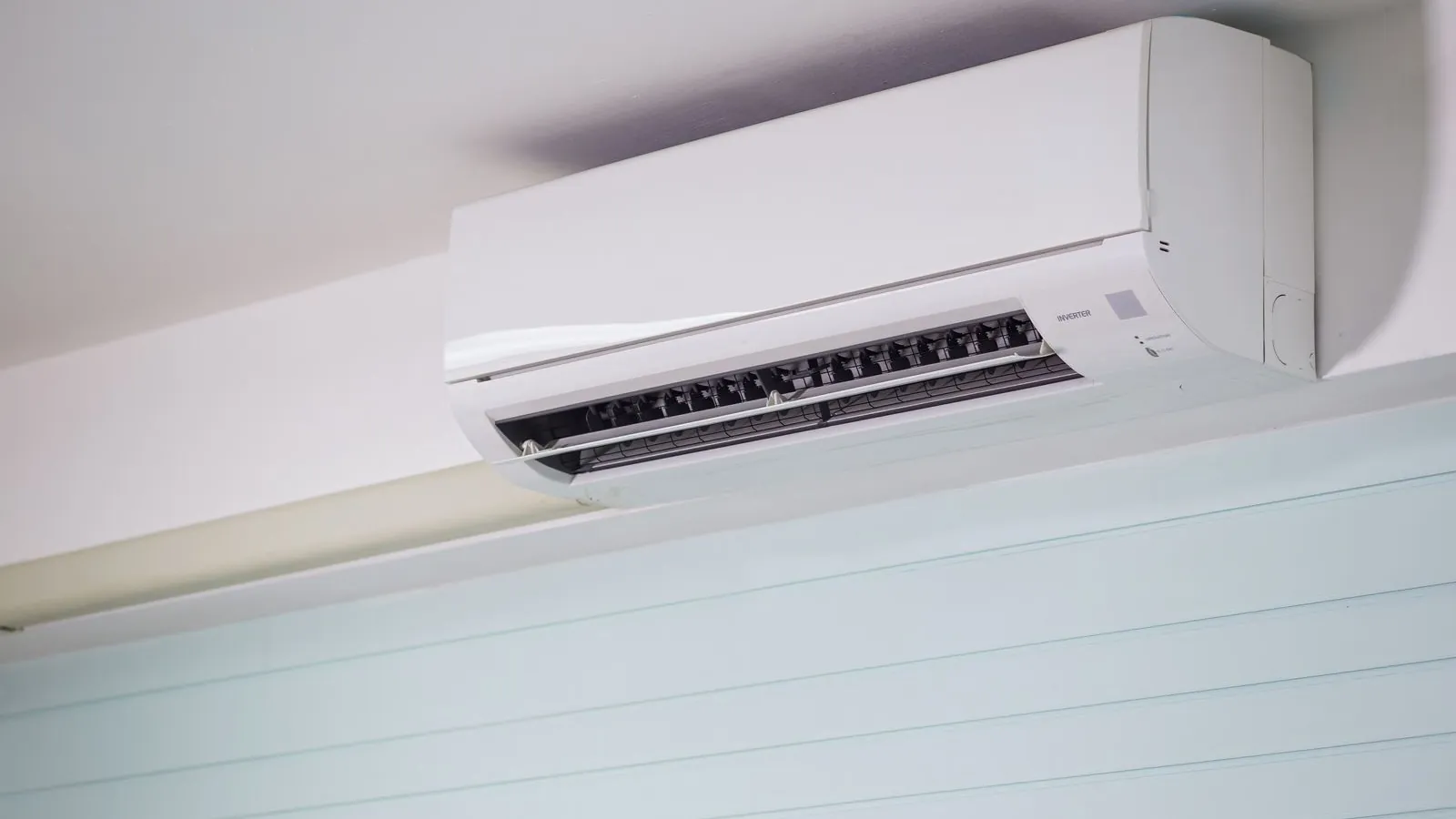
Shopping for a mini split gets confusing fast. There are dozens of brands, spec sheets that don't line up, and prices that swing by thousands of dollars for what looks like the same box. This guide narrows it down to the 12,000 BTU DIY systems worth your money in 2026. We pulled together manufacturer specs, warranty documents, retailer pricing, and owner reports, then compared the top true DIY models side by side.
Quick Answer: Are 12,000 BTU DIY Mini Splits Worth It in 2026?
For most homeowners with a 350 to 550 sq ft space, yes. A 12K DIY mini split is one of the best comfort upgrades you can make this year. The newest units come within a few SEER2 points of the pro-installed big names, and they cost a fraction as much once labor is counted.
One ton of capacity is the right size for a lot of the rooms central air ignores or handles badly: garages, bonus rooms, ADUs, home offices, and big bedrooms at the end of a long duct run. MRCOOL's 12K DIY 5th Gen is listed for roughly 400 to 600 sq ft, and Zone Air's 12K is rated for up to 600 sq ft.
The money is the real draw. A quality 12K DIY system usually lands between $2,000 and $3,000 once you add an electrician for the circuit. Have a contractor install a comparable Mitsubishi, Daikin, or LG and you're typically at $3,500 to $6,000 or more.
Efficiency is no longer the trade-off it used to be. The best 12K DIY units now run 23 to 24 SEER2, roughly double what an older window unit manages. Zone Air rates its 230V 12K at 24 SEER2 and its 115V version at 23, compared with 23.5 for MRCOOL's 12K. Zone Air's 115V model also skips the 230V circuit that trips up a lot of garage and bonus-room installs, and its line sets ship as a single run with one pair of connections. Buying direct, Zone Air's 12K costs $1,999.99 (115V) or $2,049.99 (230V), right in line with or below what retailers charge for MRCOOL's 12K.
The catch: install quality is on you. DIY-focused brands have thinner local service networks than the contractor brands, and the electrical side, especially on 230V models, may still need a licensed electrician.
How a 12,000 BTU Mini Split System Actually Performs in a Real Room
Say you have a 450 sq ft insulated bonus room in Nashville. It's July, 95°F outside, and the room has been sitting at 90°F since morning. You switch on a 24 SEER2 12K mini split. In a room like that, it will typically pull the temperature down to the low 70s in 30 to 45 minutes, then hold it there all afternoon without the loud on-off cycling of a window unit.
That's the inverter at work. A window AC slams its compressor on at full power, shuts off, and repeats. An inverter compressor speeds up to pull the room down, then slows to a crawl once it's close to the setpoint. Lower speed means less electricity and much less noise.
How that same room compares with other options:
- Mini split vs window AC: the mini split cools the room more evenly because the indoor unit sits high on the wall and throws air across the whole space. It's quieter and uses a lot less power. A window unit burns energy every time it restarts.
- Noise: Zone Air's 12K indoor unit drops to 30 dB in quiet mode, about the level of a whisper, and reaches roughly 46 dB on turbo. A window AC on high typically runs somewhere in the 55 to 65 dB range.
- Humidity: during long low-speed runs the mini split's coil stays cold, so it keeps pulling moisture out of the air. Window units tend to overcool quickly and shut off, leaving the room cold but still sticky.
What Exactly Is a 12,000 BTU DIY Mini Split System?
A 12,000 BTU DIY mini split has two main pieces: an outdoor condenser, which works as a heat pump, and a wall-mounted indoor unit. They're joined by a factory-sealed, pre-charged refrigerant line set. "DIY" means you can install it without touching refrigerant or using a vacuum pump. A conventional mini split needs a certified tech for that part; a true DIY kit skips it entirely.
12,000 BTU is one ton of cooling, which usually covers 350 to 550 sq ft depending on insulation, ceiling height, climate, and how much sun hits the windows. Because it's a heat pump, the same unit heats in winter.
What you'll actually be handling during the install:
- Outdoor condenser, set on a pad or wall bracket
- Indoor air handler (wall-mount is standard; some brands also offer ceiling cassette or concealed ducted heads)
- Line set: pre-charged copper refrigerant lines plus the communication cable
- Drain line, which carries condensate from the indoor unit outside
- Wall sleeve for the hole the line set passes through
What sets these apart from a regular split system is that sealed refrigerant circuit. Both MRCOOL DIY and Zone Air are built so a homeowner can install them without EPA Section 608 certification. No brazing, no gauges, no vacuum pump.
The electrical work is still real work, though. A 230V model needs its own double-pole circuit, the right wire gauge, and usually a disconnect. Zone Air's 115V 12,000 BTU unit runs on a dedicated 15A single-pole circuit instead. Power connects outdoors at the condenser, and an optional cord kit lets it plug into a dedicated GFCI outlet with a weatherproof cover where local code allows (never an extension cord). In a lot of garages and bonus rooms, that means no panel upgrade.
Be honest with yourself about the work. DIY still means mounting brackets, climbing a ladder, drilling a roughly 3-inch hole through an exterior wall, and routing copper lines neatly. If that doesn't sound like you, a pro install is the better call.
Key Features to Look For in a 12,000 BTU DIY Mini Split (2026)
Not every 12K DIY unit is equal. These are the specs that separate a good buy from a regret.
Efficiency (SEER2, EER2, HSPF2). Quality 12K DIY systems now land around 19 to 24 SEER2, with the best at 23 to 24. Every SEER2 point shaves a little off your bill. Zone Air's 12K posts 24 SEER2 (230V), 13.0 EER2, and 10.0 HSPF2. ENERGY STAR explains how these ratings compare across ductless systems.
Operating temperature range. Both Zone Air's 12K and MRCOOL's DIY 5th Gen E-Star 12K keep heating down to −13°F, which matters a lot if you get real winters. Entry-level DIY lines can stop well above that, so check the heating floor on the exact model. For cooling, look for a unit rated to at least 115°F outdoors; Zone Air lists 131°F.
Electrical requirements (115V vs 230V). Every mini split needs a dedicated circuit. Many 12K units are 208/230V and need a double-pole breaker. Zone Air's 115V 12K runs on a 15A single-pole circuit, which makes it one of the easiest DIY mini splits to install. MRCOOL's 12K DIY 5th Gen is also 115V, but it's hardwired. Our 110 vs 220 mini split guide breaks down running cost for each.
Line set design. This one's a hardware difference, not marketing. A fixed-length set that's longer than your run leaves copper to coil. One that's too short means buying a longer set or joining pieces, and every joint is another place a leak can start. Zone Air ships 16 ft in the box and sells single continuous runs up to 75 ft with one pair of connections.
Wi-Fi and smart controls. App scheduling and remote control are standard now on both Zone Air and MRCOOL. Voice-assistant support varies by model, so confirm it on the listing if it matters to you.
Warranty terms. Zone Air gives 5 years on parts and 7 on the compressor, and a DIY install doesn't void it. MRCOOL's DIY 5th Gen warranty is also 5 years parts and 7 years compressor with no registration required, and MRCOOL sells a paid Care Kit that extends compressor coverage. With either brand, read what counts as an improper install.
Zone Air vs MRCOOL 12K: Spec Sheet Side by Side
| Spec | Zone Air 12K DIY | MRCOOL DIY 5th Gen 12K |
|---|---|---|
| Voltage | 115V or 208–230V | 115V (hardwired) |
| SEER2 | 23 (115V) / 24 (230V) | 23.5 |
| Heating works down to | −13°F | −13°F |
| Refrigerant | R-454B, pre-charged | R-454B, pre-charged |
| Line set | 16 ft in the box; single runs up to 75 ft | 25 ft fixed-length set |
| Recommended room size | 350–600 sq ft | About 400–600 sq ft (retailer listings) |
| Indoor sound (quietest) | 30 dB | Varies by listing |
| Warranty | 5 yr parts / 7 yr compressor, DIY install covered | 5 yr parts / 7 yr compressor, no registration required |
| Price (Sept 2026) | $1,999.99 (115V) / $2,049.99 (230V) direct | About $1,958–$2,359 at retailers |
Specs and prices are manufacturer- and retailer-published as of September 2026 and change often. Check the current listing before you buy.
Zone Air 12,000 BTU DIY Mini Split Review (vs MRCOOL and Others)
Zone Air comes out as the strongest 12,000 BTU DIY mini split of 2026 on paper, and the edge shows up in the places that matter over the life of the unit: efficiency, line set design, and price.
Headline specs for the Zone Air 12K single-zone:
- 24 SEER2 on the 230V model; 23 SEER2 on the 115V model
- 115V on a dedicated 15A circuit (optional plug-in cord kit) or 208–230V
- Heating down to −13°F
- Cooling, heating, dry, fan, and auto modes
- Indoor unit as quiet as 30 dB; outdoor condenser about 52 dB
The 115V design is the big one for DIYers. In plenty of garages, bedrooms, and bonus rooms, there's no 230V circuit to run and no panel upgrade. You still need a dedicated 15A circuit, but that's a much smaller job, and sometimes one is already there.
The line sets are the other standout. A standard 16 ft set comes in the box, and longer runs up to 75 ft ship as one continuous pre-charged line, not an extension, with a single pair of quick-connect fittings. There's no leftover copper to coil behind the condenser and no extra joints along the run. Over 10 to 15 years, every connection you avoid is one less place for refrigerant to escape.
Price is competitive too. Zone Air sells direct at $1,999.99 for the 115V 12K and $2,049.99 for the 230V, while retailers list MRCOOL's 12K DIY at roughly $1,958 to $2,359.
Owner sentiment leans Zone Air's way, though the numbers come from different platforms. Zone Air's verified buyer reviews average about 4.8 out of 5. MRCOOL's Trustpilot profile sat at 3.2 out of 5 across 89 reviews as of September 2026, with reviewers citing warranty claims on self-installed units and slow support responses. Treat that as directional, not a head-to-head survey. You can dig into more of it on our Zone Air brand page.
MRCOOL 12,000 BTU DIY Mini Split Review (5th Gen Snapshot)
MRCOOL DIY is the best-known DIY mini split brand in North America, and you can pick one up at Home Depot, Lowe's, or on Amazon. Its 12K model is still one of the most popular ways into ductless.
MRCOOL DIY 5th Gen 12K at a glance:
- 23.5 SEER2
- 115V, hardwired
- Rated for roughly 400 to 600 sq ft in retailer listings
- E-Star model keeps heating down to −13°F
- Retail prices run about $1,958 to $2,359 (current single-zone lineup)
MRCOOL uses pre-charged Quick Connect line sets, so there's no vacuum pump, gauges, or refrigerant handling. The 12K ships with a 25 ft set, and MRCOOL sells other fixed lengths with threaded fittings at each end. Our MRCOOL 5th Gen 12K line set install guide walks through it step by step.
What owners like
- Easy to find at big-box stores, with a huge DIY community and plenty of install videos and Reddit threads
- Clear instructions for handy homeowners
- 5-year parts, 7-year compressor warranty with no registration required, plus a paid Care Kit for longer compressor coverage
What owners complain about
- Extra line set coiled behind the condenser when the fixed length is longer than the run
- On Trustpilot, reviewers describe denied warranty claims on self-installed units, long waits for support, shipping charges on warranty parts, and units failing within 2 to 5 years
- Some HVAC techs won't service DIY-labeled equipment they didn't install, which can make repairs harder to arrange
MRCOOL's 23.5 SEER2 is genuinely efficient. Zone Air's 230V 12K edges it at 24 SEER2 for a similar price, and its single-run line sets are structurally simpler, with fewer joints to worry about over the long haul. Our full MRCOOL vs Zone Air comparison goes deeper.
Other 12,000 BTU Mini Split Brands Worth Considering
The premium names (Mitsubishi, Daikin, Fujitsu, LG) don't sell true DIY mini splits. Their 12K units are still the benchmark for performance and longevity, but they need a professional to vacuum the lines and handle refrigerant.
Mitsubishi and Daikin are the reference brands, and Mitsubishi in particular has a strong cold-climate reputation and a deep contractor network. Expect $1,800 to $2,600 for a 12K Mitsubishi before labor, and $1,500 to $3,500 for installation, for $3,500 to $6,000 or more all in. See MRCOOL vs Mitsubishi for how the two approaches compare.
Budget online brands like Pioneer and Della sell 12K systems for less, but their line sets still need to be vacuumed, which means paying an HVAC tech. Once that labor is added, the total often ends up close to a true DIY kit anyway.
If you specifically want a heat pump you can put in without handling refrigerant, sticking with a DIY-first brand like Zone Air or MRCOOL is still the simplest, cheapest route.
12,000 BTU DIY Mini Split System: Pros and Cons
A quick checklist before you commit.
Advantages
- DIY install typically saves $1,500 to $3,500 versus hiring a contractor
- High efficiency: 23 to 24 SEER2 in the best models
- Far quieter than window units and portable ACs
- Room-by-room control, so you only heat or cool the space you're using
- No duct losses, since there are no ducts
- Wi-Fi app, remote, auto and sleep modes, and dehumidifying dry mode
Disadvantages
- The install has to be done right: drilling, mounting, sealing, and wiring all matter
- Electrical work done without a licensed electrician can create code problems
- DIY-focused brands have fewer local service options
- A wall unit is visible, which some people don't love in a living room
- Not ideal for very high ceilings, very long line set runs, complex multi-zone layouts, or anyone uneasy with tools and ladders
If drilling through an exterior wall, working on a ladder, or reading a technical manual sounds miserable, a pro-installed system is probably the safer choice.
Installation Experience: What DIY Buyers Should Expect
Pre-charged lines take refrigerant out of the picture, but the install is still a half-day to full-day job. A first-timer doing a 12K wall mount with basic tools and a circuit that's ready to go should plan on 4 to 6 hours.
The job breaks down into five steps:
- Pick your locations. The indoor unit needs a solid wall with room around it for airflow; the condenser needs a level pad or bracket with clearance on every side.
- Mount the indoor bracket, then drill the hole through the exterior wall for the line set, communication cable, and drain line. Use the hole size your manual calls for.
- Run the line set from the indoor unit through the wall to the condenser, keeping bends gentle and the route as short as you reasonably can.
- Set the condenser on its pad or bracket and connect the line set and communication wiring, torquing the fittings to spec.
- Finish the electrical and drain work: connect the dedicated circuit and disconnect, confirm the drain slopes downhill, and seal every wall penetration against water and pests.
115V and 230V installs are not the same job. With Zone Air's 115V model, if a dedicated 15A circuit is already near the condenser spot, the electrical side can be short and simple. A 230V install means running wire from the panel, adding a double-pole breaker, and mounting a disconnect, which is work that usually should involve a licensed electrician and has to meet the National Electrical Code.
Safety first: run a stud finder before you drill and make sure no water, gas, or electrical lines are behind the wall. Follow the manufacturer's torque specs on every fitting, and give the condenser the airflow clearance the manual asks for.
What a typical budget looks like: a 400 sq ft garage office with Zone Air's 115V 12K. The system is $1,999.99, a pad, wall sleeve, and sealant add around $100 to $150, and an electrician adding a dedicated 15A circuit usually runs $200 to $600. That's roughly $2,300 to $2,750 all in, compared with contractor quotes that commonly start around $3,500 for a pro-installed 12K and often go well past $5,000.
Line Sets: Why Custom Length Matters for Reliability
The line set is the pair of insulated copper refrigerant lines, plus the communication cable, running between the indoor and outdoor units. Think of it as the mini split's circulatory system. How it's built has a direct effect on how long the system stays leak-free.
MRCOOL DIY systems use pre-charged Quick Connect sets in fixed lengths with threaded fittings on each end, so you never need a vacuum pump. But fixed lengths cause two headaches:
- Leftover copper. If your run is 18 ft and the set is 25 ft, the extra 7 ft gets coiled beside the condenser. It looks messy, and the coil is exposed to mower strikes, rodents, and sun.
- Extra joints. If your run is longer than the set, you're buying a longer set or joining sections, and every added coupling is another potential leak point.
Whatever the brand, stay within the maximum line set length and vertical rise in the installation manual. Shorter, cleaner runs are always easier to route and seal.
Zone Air does it differently. Each system ships with a 16 ft run, and longer lengths up to 75 ft come as one continuous pre-charged line with a single pair of quick-connect fittings. You order close to your actual run, so there's little to coil and nothing to splice.
That won't show up on day one. By year five or ten, fewer joints mean better odds of avoiding a slow leak, fewer service calls, and efficiency that stays closer to the rating. Our pre-charged line set comparison covers the details.
Practical tip: before ordering, measure the real path from the indoor unit spot to the condenser pad, including vertical rise and every corner. Add a small margin for bends, but don't order a lot more than you need.
12,000 BTU DIY Mini Split Costs: Upfront and Over 10 Years
What a mini split really costs is the installed price plus what you pay to run it for the next decade. Efficient units can cost a little more upfront and give some of it back on your electric bill.
2026 upfront cost ranges
| Option | Equipment | Installation / labor | Total installed |
|---|---|---|---|
| 12K DIY mini split | $1,950–$2,400 | $0–$600 (electrician) | $2,000–$3,000 |
| 12K pro-installed premium brand | $1,800–$2,600 | $1,500–$3,500 | $3,500–$6,000+ |
| Multi-zone system | $3,000–$8,000 | $2,000–$7,000 | $5,000–$15,000 |
Once professional labor is in the mix, installed mini split projects commonly run $2,000 to $8,000, which is exactly why DIY is so appealing for a single room. For multi-zone systems, the gap gets even wider.
10-year cooling cost
Assumptions: $0.16 per kWh, 8 hours a day, 150 cooling days a year (1,200 hours at full 12,000 BTU output).
- Older window AC (about 12 SEER): roughly 1,200 kWh a year, about $190 a year, or about $1,900 over 10 years
- 24 SEER2 mini split: roughly 600 kWh a year, about $95 a year, or about $950 over 10 years
- Cooling savings: roughly $950 over 10 years, before counting any heating
Heating is where the payback really speeds up. Swapping electric baseboard or a space heater for a heat pump that delivers two to three units of heat per unit of electricity can save several hundred dollars a winter in a cold climate. Cooling savings alone won't pay off a $2,000 system quickly. Replacing resistance heat in a room you use every day often gets you there in several years. Run your own numbers in our baseboard-to-heat-pump calculator.
On incentives: the federal 25C home improvement tax credit ended for equipment placed in service after 2025, so don't count on it for a 2026 install. Some state and utility rebates are still around, but many require a contractor install to qualify. Check your utility's site before you buy.
How 12,000 BTU DIY Mini Splits Compare to Other Cooling Options
A lot of people reading mini split reviews are really choosing between several kinds of air conditioning. Here's how a 12K DIY mini split stacks up.
Window units ($300–$700). Cheap and easy to put in, but loud, much less efficient, and they take over a window (and weaken its security). They usually last 5 to 8 years, and most only cool.
Portable ACs ($400–$800). Even less efficient than window units, often louder, and they still need a vent hose out a window. They eat floor space and cool noticeably worse per BTU.
Central air ($3,000–$10,000+ installed). Better for cooling a whole house, but it needs ductwork, and leaky ducts waste a real share of the air you pay to condition. For one room that central air doesn't reach, it's overkill. A ductless heat pump is the more efficient fix for additions, bonus rooms, and homes without ducts.
Growing past one zone. A multi-zone system can take you from a single 12K head to most of the house. Zone Air's multi-zone condensers mix wall, ceiling cassette, and concealed ducted heads on one outdoor unit. MRCOOL's DIY multi-zone has been built around wall and cassette heads, with a concealed ducted format announced. If you're planning to expand later with different head styles, that's worth checking now. Our dual-zone DIY guide is a good next read.
Real-World Owner Experiences & Reliability Trends
Specs are one thing. What matters more is how these systems hold up after three to five years of daily use.
What owners praise, across DIY brands
- A huge comfort jump in garages, bonus rooms, and offices that were miserable before
- Noticeably lower electric bills compared with running window or portable units
- The satisfaction of doing it yourself and keeping thousands of dollars
- Long service life: 10 to 15 years is typical with basic maintenance
What owners report going wrong
- Control board or sensor failures, often linked to power surges
- Occasional slow leaks at line set fittings, usually traced to under- or over-torqued connections
- Uneven customer service; MRCOOL's Trustpilot reviewers frequently mention slow support and warranty friction
- HVAC techs who won't touch DIY-labeled equipment they didn't install
Maintenance is what gets you to the long end of that lifespan. Rinse the filters every 2 to 4 weeks in heavy-use seasons, clean the indoor coil at least once a year, and clear the condensate drain annually.
Is a 12,000 BTU DIY Mini Split Right for Your Space?
Use this to match your room, climate, and plans to the right system.
Sizing. A 12K unit is usually right for about 400 to 500 sq ft with average insulation and 8 to 9 ft ceilings. Size up for tall ceilings, weak insulation, lots of glass, or strong afternoon sun. Under about 300 sq ft, a 9K may be enough. Open floor plans or rooms over 600 sq ft may need an 18K or a multi-zone setup. The mini split sizing calculator gives you a room-specific number.
Climate. A standard 12K DIY unit covers year-round needs in most of the U.S. In the coldest regions (the Upper Midwest, northern New England), look at a cold-climate model or plan on backup heat for the coldest nights. In moderate and southern climates, a standard 12K handles both seasons easily.
Future expansion. If you might add rooms later, look at a Zone Air multi-zone condenser that takes wall, cassette, and concealed ducted heads. It's more flexible than buying a single-zone unit now and replacing it later.
Who this is for. You're handy, you own basic tools, you have a 350 to 550 sq ft space with room for an indoor and outdoor unit, and you'll either go with a 115V system like Zone Air's or hire an electrician for a 230V circuit. If that's you, a 12,000 BTU DIY mini split is one of the smartest home comfort upgrades you can make in 2026.
Frequently Asked Questions About 12,000 BTU DIY Mini Splits
How long does a 12,000 BTU DIY mini split take to install?
Plan on 4 to 6 hours for a first-time DIYer putting in a single wall-mount unit like the Zone Air or MRCOOL 12K, assuming basic tools and a circuit that's already in place or an electrician already booked. Awkward line set routing, masonry walls, or a second-story condenser location add time.
Do I need a permit or inspection?
It depends on where you live. Many towns require an electrical permit for a new circuit and some require a mechanical permit for HVAC equipment, even when the homeowner does the work. Skipping a required permit can cause problems with insurance claims and when you sell the house, so call your building department first.
How long does a 12K mini split last?
Most mini splits last 10 to 15 years with reasonable maintenance. The compressor is usually the longest-lived part; control boards and sensors tend to be the first things to go if something does.
How often should I clean the filters and coil?
Rinse the filters every 2 to 4 weeks during heavy cooling or heating use. Clean the indoor coil at least once a year (spring works well), and check the condensate drain each season so it doesn't clog and back water into the wall.
Does installing it myself void the warranty?
Not with Zone Air. Its 5-year parts and 7-year compressor warranty stays in force on homeowner installs, as long as you follow the manual. MRCOOL's DIY 5th Gen warranty is also 5 years on parts and 7 on the compressor, with no registration required. With any brand, damage caused by a bad install isn't covered, so take photos as you go and keep your receipts.
Can a 12K mini split run as just an air conditioner?
Yes. Every unit covered here has cooling, heating, dry (dehumidify), fan, and auto modes, so you can use it purely for cooling. In humid places like a Gulf Coast garage, dry mode is especially handy because it pulls moisture out without chilling the room.
How long can the line set be, and how much height difference is allowed?
Every manufacturer publishes a maximum line set length and a maximum vertical rise between the indoor and outdoor units. Zone Air sells single pre-charged runs up to 75 ft for its 9K and 12K systems. Measure your real route, including the rise and any corners, and check the spec sheet or call the manufacturer if you're near the limit.
115V or 230V: which should I get?
A 115V model like Zone Air's runs on a dedicated 15A single-pole circuit, which suits older homes and spaces where adding a 230V line would mean a panel upgrade. A 230V model needs a double-pole breaker, heavier wire, and usually a disconnect. Zone Air's 230V 12K is slightly more efficient (24 vs 23 SEER2), but for many homes the 115V version saves more on electrical work than it gives up on efficiency.
Calculator
Your run cost depends on your ZIP.
Run our calculator with your ZIP, your existing system, and the mini split you're considering. It pulls climate and current electricity-rate data to show annual operating cost, savings, and simple payback.
Run the numbers for your home→